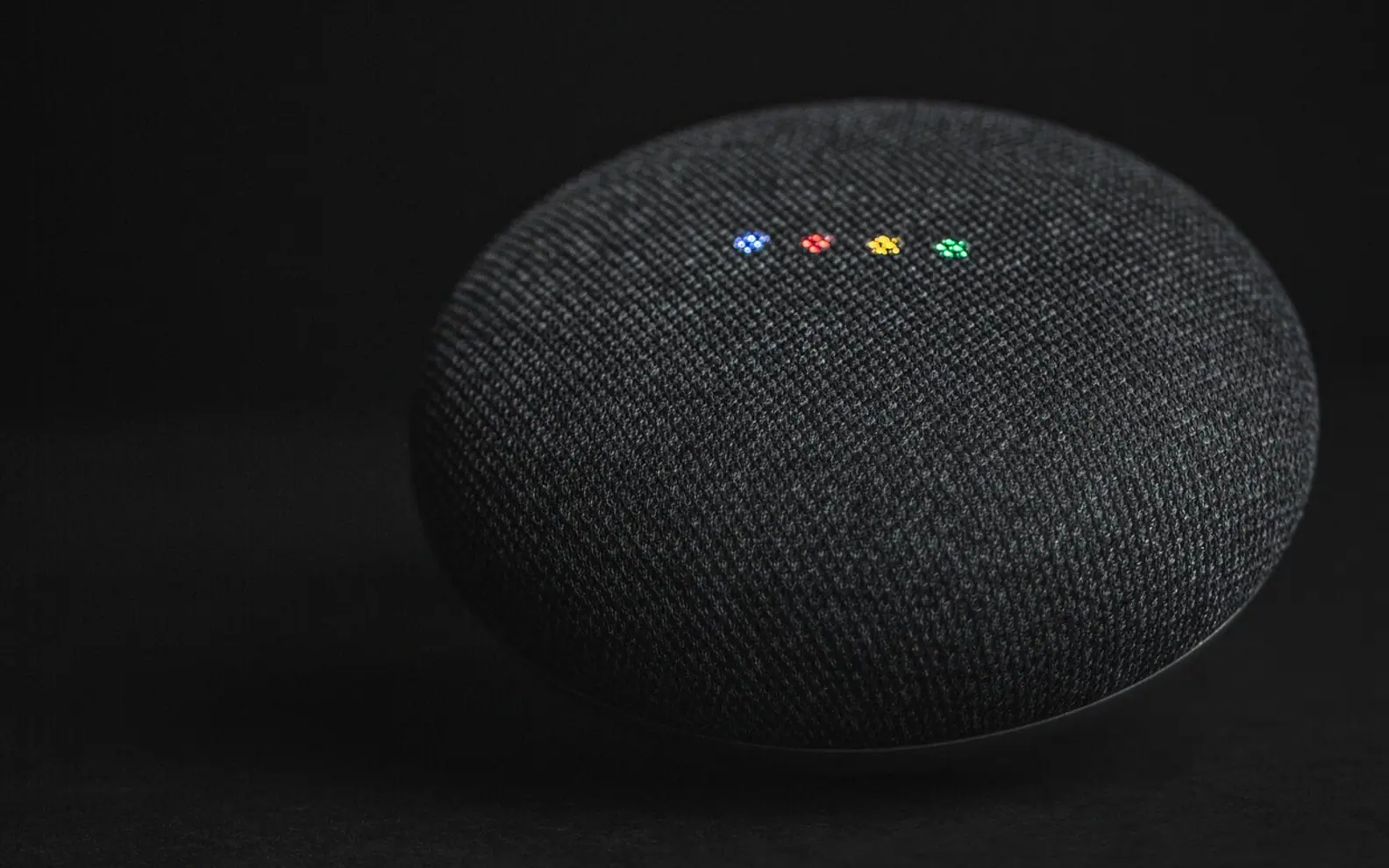
More Than Entertainment: The Positive Impact of AI Companions on Modern Living

Artificial intelligence has moved far beyond novelty, and few developments show that more clearly than the rise of AI companions. Once dismissed as simple entertainment, these tools are increasingly becoming part of modern living, supporting people in ways that are practical, emotional, and deeply personal. As daily life grows more connected yet often more isolating, AI companions can help fill important gaps in communication, routine, and self-reflection. When used thoughtfully, they are not a replacement for human relationships or professional care, but they can be a meaningful addition to a healthier, more supported lifestyle.

AI Companions Offer Consistent Emotional Support

One of the most important benefits of AI companions is their ability to provide reliable, on-demand interaction. Modern life does not always align with human availability. Friends are busy, families live far apart, and emotional needs do not arrive on a schedule. AI companions can offer a steady presence at any hour, which can be especially valuable during quiet evenings, stressful moments, or periods of loneliness.

For many users, the value lies in having a space to talk without fear of interruption or immediate judgment. An AI chat companion can help users express thoughts, process feelings, and feel heard in a way that lowers social pressure. That does not mean a chatbot understands emotions in the same way a person does, but it can still respond with structure, encouragement, and conversational continuity that many people find comforting.

This matters because emotional well-being often improves when people have regular outlets for expression. Even simple acts such as describing a difficult day, rehearsing a conversation, or exploring a worry can reduce mental clutter. AI companions support these moments by making reflection easier and more immediate. In a world where loneliness is now recognized as a serious public health concern, even small forms of connection can have positive effects on mood and resilience.

They Help Build Better Daily Habits

AI companions also contribute to modern living by supporting routines and personal accountability. Many people struggle not because they lack goals, but because they lack consistent reinforcement. AI companions can act as gentle check-in partners, helping users stay aware of priorities, habits, and intentions throughout the day.

For example, they may encourage journaling, mindfulness, hydration, exercise, or better sleep hygiene. Because the interaction is conversational rather than mechanical, reminders can feel more natural and less like commands from a task app. This conversational style often makes users more willing to engage repeatedly, which is essential when trying to create lasting habits.

There is also strong value in the reflective side of these interactions. AI companions can prompt users to examine patterns, celebrate progress, and break larger goals into smaller steps. In that sense, they support self-management rather than simply offering passive entertainment. Over time, these small nudges can improve productivity, emotional regulation, and confidence.

Common ways AI companions support routines include:

  • Morning and evening check-ins
  • Motivational prompts during stressful workdays
  • Guided self-reflection after difficult experiences
  • Encouragement to maintain wellness habits
  • Structured support for goal tracking

These functions are especially useful in a fast-paced environment where attention is fragmented. AI companions can help bring focus back to what matters, making them a practical tool for people seeking more balance in their daily lives.

A Judgment-Free Space Can Improve Communication

Another reason AI companions are gaining relevance is their ability to offer a low-pressure setting for communication. Many people find it easier to open up when they are not worried about embarrassment, misunderstanding, or social consequences. This can be helpful for users who are shy, socially anxious, neurodivergent, or simply not ready to discuss certain topics with another person.

In this context, AI companions can function as rehearsal spaces for real life. Users may practice difficult conversations, test how to phrase emotions, or sort through conflicting thoughts before speaking with a partner, friend, colleague, or therapist. By helping people organize their inner world, AI companions can indirectly strengthen human relationships rather than weaken them.

They may also improve communication by making reflection more accessible. Not everyone is comfortable with a blank journal page, but many people respond well to dialogue. A conversational interface can guide users toward clarity through follow-up questions and supportive responses. This process can make emotional literacy feel less intimidating and more approachable.

It is important to note that AI companions are not substitutes for licensed mental health care or emergency support. However, they can help users become more aware of their feelings, more articulate about their needs, and more prepared to seek help when necessary. That bridge between private reflection and real-world action is one of the most positive and practical impacts they can have.

Responsible Use Makes the Benefits Stronger

The growing role of AI companions in modern living also raises an important point: their impact depends on how they are used. The most positive outcomes appear when people treat these tools as supportive resources rather than complete replacements for human connection. Healthy use involves balance, clear expectations, and awareness of limitations.

When integrated responsibly, AI companions can complement everyday life in meaningful ways:

  1. They increase accessibility. Supportive conversation becomes available to more people, regardless of schedule or location.
  2. They encourage consistency. Daily interaction can reinforce routines that are easy to neglect.
  3. They lower barriers to self-expression. Users may feel safer exploring thoughts they would otherwise suppress.
  4. They support modern wellness habits. Reflection, mindfulness, and emotional check-ins become easier to maintain.

At the same time, users benefit from maintaining offline relationships, critical thinking, and boundaries around screen time. The goal is not to live through artificial interaction, but to use intelligent tools to improve the quality of real life. When that balance is respected, AI companions become less about escapism and more about empowerment.

As technology continues to evolve, AI companions are likely to become even more adaptive, personalized, and helpful. Their future value will not be measured only by how entertaining they are, but by how effectively they support well-being, communication, and everyday resilience.

Ultimately, AI companions represent a broader shift in how people use technology: not just to consume content, but to engage in meaningful, supportive interaction. More than entertainment, they can help reduce loneliness, strengthen habits, and create space for self-understanding in a demanding world. Used wisely, they offer a practical and positive contribution to modern living, proving that digital tools can do more than distract us; they can help us live better.

AI Headshot Generators for Every Career Stage: From Students to Executives

A professional image now plays a major role in how people are discovered, evaluated, and remembered online. From internship applications to boardroom bios, a polished profile photo can influence first impressions before a conversation even begins. That is why AI headshot generators have become such a practical tool for modern professionals. They offer fast, affordable, and flexible ways to create studio-style portraits without scheduling a photographer or investing in a full shoot. The real value, however, is not just convenience. It is the ability to tailor a headshot to a specific career stage, personal brand, and professional goal.

Why AI Headshot Generators Matter in Modern Career Growth

AI headshot generators are designed to turn everyday selfies into professional-looking portraits that reflect credibility and confidence. For people building a personal brand, they solve a common problem: needing a high-quality image at the exact moment a new opportunity appears. That opportunity could be a campus leadership role, a job application, a speaking engagement, or an executive profile update.

Unlike traditional photography, AI-generated headshots can be produced quickly and tested in multiple styles. Users can compare formal, approachable, and industry-specific looks without repeating an entire shoot. This matters because expectations differ by field. A finance analyst, creative director, and startup founder may all need polished images, but not the same visual tone.

Another advantage is accessibility. Many tools now let users create professional portraits across different backgrounds, outfits, and lighting styles, making it easier to align a photo with LinkedIn, company websites, conference pages, and personal portfolios. When used thoughtfully, these tools help professionals maintain consistency while still adapting their image to context.

Students and Recent Graduates: Building Credibility Early

For students and recent graduates, the biggest challenge is often visibility. They may have strong academic results, internships, or extracurricular achievements, but their online presence can still feel incomplete. A professional AI headshot helps bridge that gap by making profiles look more serious, current, and trustworthy.

At this stage, the ideal headshot should feel polished without looking overly corporate. Recruiters hiring interns or entry-level candidates usually respond well to images that communicate energy, reliability, and professionalism. A clear facial expression, simple wardrobe, and neutral background often work best.

Best uses for students and graduates

  • LinkedIn profiles: A refined headshot can immediately improve first impressions and increase profile credibility.
  • Resumes and portfolios: In industries where visual presentation matters, a consistent image can strengthen personal branding.
  • University applications and leadership programs: Many scholarships, fellowships, and student organizations benefit from a polished profile photo.
  • Networking platforms: A strong image makes outreach feel more intentional and memorable.

For early-career users, the main goal should be authenticity. AI headshots should still resemble the person in everyday professional settings. Over-editing can create a disconnect between the online image and in-person meetings. A natural result will always perform better over time because it supports trust.

Mid-Career Professionals: Refreshing Personal Brand and Opportunity Readiness

Mid-career professionals often reach a point where their old headshot no longer reflects their role, confidence, or expertise. Promotions, career changes, freelance consulting, and industry speaking opportunities all call for an updated image. This is where AI headshot generators are especially useful: they help professionals refresh their visual identity without the time and cost of arranging repeated photography sessions.

At this stage, a headshot needs to communicate both competence and relevance. Someone moving into management may want a more authoritative look than they used earlier in their career. A consultant or entrepreneur may prefer an approachable but premium image that supports client trust. Professionals transitioning industries can also use AI-generated portraits to better match the expectations of a new field.

What mid-career professionals should prioritise

  1. Consistency: Use a similar image style across LinkedIn, company bios, keynote pages, and email signatures.
  2. Role alignment: Match the tone of the image to the level of responsibility and the industry audience.
  3. Current likeness: The headshot should look like the person now, not five years ago.
  4. Versatility: Keep multiple versions for formal corporate use and more approachable networking settings.

AI headshot generators also offer practical value for busy professionals who need quick updates. When a conference invitation, podcast appearance, or leadership announcement appears with little notice, having a ready-to-use professional image can prevent rushed decisions and inconsistent branding.

Executives and Senior Leaders: Signalling Authority, Trust, and Strategic Presence

For executives, senior leaders, and board-level professionals, a headshot is more than a profile image. It becomes part of corporate communication, investor confidence, media visibility, and employer branding. A CEO, founder, partner, or department head often appears on leadership pages, press releases, thought leadership articles, and event materials. In these contexts, the image must project authority while still feeling human and accessible.

The most effective executive headshots tend to balance three qualities: confidence, clarity, and composure. Overly casual images can weaken authority, while overly rigid portraits may feel distant. AI-generated headshots can help leaders explore that balance by testing different expressions, wardrobe styles, and backgrounds until the result supports the organisation’s brand.

Senior professionals can benefit from AI headshot generators when they need:

  • Updated leadership team photos for websites or annual reports
  • Consistent imagery across PR materials and public speaking profiles
  • Fast turnarounds for mergers, promotions, or media outreach
  • Scalable branding across distributed teams and executive groups

That said, executives should choose tools carefully and review outputs with a critical eye. The image should reflect real features, appropriate styling, and the standards expected in their sector. Financial services, healthcare, law, and enterprise technology often demand a more conservative presentation than creative or startup environments. The strongest result is one that reinforces leadership credibility rather than drawing attention to the technology behind it.

How to Choose the Right AI Headshot Generator for Any Career Stage

Not every AI headshot generator is equally useful. Career stage influences what features matter most. Students may need affordability and simplicity. Mid-career professionals may want more variety and brand flexibility. Executives may prioritise realism, polish, and corporate-ready outputs.

When evaluating options, it helps to look for:

  • High realism: Natural skin tones, accurate facial features, and believable lighting
  • Style control: Ability to choose wardrobe, backdrop, and level of formality
  • Multiple output formats: Useful for LinkedIn, websites, speaking profiles, and internal directories
  • Privacy and security: Clear handling of uploaded photos and generated data
  • Time efficiency: Fast processing for urgent professional needs

Whatever the career level, the best AI-generated headshot is one that supports a clear professional story. It should look intentional, current, and aligned with how the individual wants to be perceived by employers, clients, peers, and the public.

AI headshot generators are no longer just a convenience. They have become a strategic branding tool for every career stage, from students entering the job market to executives shaping public leadership presence. When chosen and used well, they help professionals present themselves with confidence, consistency, and relevance. In a digital-first world where image often opens the door before experience speaks, a strong headshot can be a surprisingly powerful career asset.

AI Virtual Staging for Real Estate: Smarter Marketing, Better First Impressions

In real estate, first impressions often happen long before a showing is booked. Buyers scroll quickly, compare listings side by side, and make emotional judgments within seconds. That is why AI virtual staging for real estate has become such a powerful marketing tool. Instead of presenting empty rooms that feel cold or confusing, agents and property marketers can now transform listing photos into warm, polished spaces that help buyers imagine how they would live there. When used thoughtfully, AI virtual staging creates stronger visual appeal, increases online engagement, and helps listings stand out in a crowded market.

Why AI Virtual Staging Matters in Modern Real Estate Marketing

Vacant homes can be difficult to sell because empty rooms rarely communicate scale, purpose, or lifestyle. A bare living room may look smaller than it actually is, while an unused bedroom may leave buyers wondering how to arrange the space. AI virtual staging solves that problem by digitally furnishing and styling rooms in a realistic, cost-effective way.

Compared with traditional staging, AI-driven solutions are faster, more affordable, and easier to scale across multiple listings. Agents can test different design styles, match decor to the target demographic, and refresh visuals without moving a single piece of furniture. That flexibility is especially valuable for brokers managing a mix of condos, suburban homes, luxury properties, and investment units.

Just as important, virtual staging supports the way people shop for homes today. Most buyers begin their search online, and photos are often the deciding factor in whether they click, save, or schedule a tour. Clean, well-styled images help listings look more inviting, more memorable, and more competitive from the very first glance.

How AI Virtual Staging Improves First Impressions and Buyer Engagement

The biggest advantage of AI virtual staging is that it helps buyers connect emotionally with a property. Instead of asking them to imagine possibilities from an empty shell, it shows them a believable version of the home at its best. A staged dining room suggests entertaining, a furnished home office reflects remote work needs, and a cozy bedroom creates a sense of comfort and retreat.

These visual cues matter because buyers respond to lifestyle, not just square footage. A well-staged photo can make a room feel brighter, more functional, and more valuable. It can also clarify awkward layouts by showing how furniture fits naturally within the space. That makes the home easier to understand and easier to remember.

AI tools also allow marketers to adapt staging to the property and the audience. A downtown loft might benefit from sleek, contemporary furnishings, while a family home may perform better with soft, practical styling. This targeted approach improves relevance and can increase the quality of inquiries, because the people responding are more likely to see the property as a good fit.

Another practical benefit is consistency. High-quality AI staging can create a polished visual standard across all listing photos, helping an agent or brokerage present a more professional brand image. In a market where trust and presentation are closely linked, that consistency can have a meaningful impact.

Key Benefits for Agents, Sellers, and Property Marketers

AI virtual staging is not only about aesthetics. It also delivers measurable business advantages that make listing campaigns more efficient and more persuasive.

  • Lower costs: Digital staging usually costs far less than renting furniture, hiring movers, and preparing a property for in-person staging.
  • Faster turnaround: Listings can go live sooner, which is critical in fast-moving markets where timing affects visibility and momentum.
  • Greater flexibility: Different rooms can be staged in multiple styles to appeal to different buyer segments.
  • Stronger online performance: Better images often lead to more clicks, more saves, and more showing requests.
  • Scalable marketing: Teams handling large inventories can apply staging across many listings without the logistical burden of physical setups.

There is also a practical production advantage. Many leading AI staging platforms produce listing-ready files that are exported in high resolution for use in MLS listings, brochures, websites, and social media campaigns. That makes it easier to maintain quality across every marketing channel.

For sellers, the value is straightforward: their property is presented in the best possible light. For agents, it means more compelling listing materials and a stronger case for winning future clients. For developers and investors, it creates a repeatable way to market inventory at scale without sacrificing visual appeal.

Best Practices for Using AI Virtual Staging Effectively and Ethically

Like any marketing tool, AI virtual staging works best when it is used strategically. The goal should be to enhance a property honestly, not to mislead buyers. That means the staged images should reflect the real dimensions, layout, and architectural features of the home. Doors, windows, finishes, and room proportions should stay true to reality.

It is also wise to choose design styles that complement the property rather than overpower it. Overly dramatic furniture, unrealistic lighting, or cluttered decor can make images feel artificial. Buyers respond best when the results look tasteful, balanced, and believable.

Real estate professionals should also be transparent. In many markets, clearly disclosing that images have been virtually staged is considered best practice and may be required by local rules or MLS guidelines. Transparency protects trust while still allowing the listing to benefit from improved presentation.

To get the strongest results, teams should follow a simple process:

  1. Start with high-quality original photos taken in good natural light.
  2. Select rooms where staging will add the most clarity, such as living rooms, bedrooms, and home offices.
  3. Match the decor style to the likely buyer profile and price point.
  4. Review each image for realism, proportion, and consistency.
  5. Use staged images alongside accurate property details and, when possible, unstaged photos for context.

When this process is followed, AI virtual staging becomes more than a design shortcut. It becomes a smart, ethical marketing asset that improves the buyer experience while supporting stronger listing performance.

AI virtual staging is reshaping real estate marketing because it combines speed, affordability, and visual impact in a way traditional staging often cannot. By helping buyers see potential instantly, it creates better first impressions and gives properties a stronger chance to stand out online. For agents, sellers, and marketers who want smarter listing presentation without unnecessary delays or costs, AI virtual staging is no longer a novelty. It is a practical advantage in a highly visual market.

The Growing Appeal of IPTV Among French Households

Across France, the way people watch television is changing rapidly. Traditional broadcast schedules no longer suit every household, and viewers increasingly expect entertainment to be available when they want it, where they want it, and on the device they prefer. This shift has helped drive the growing appeal of IPTV among French households. By delivering television content over internet networks rather than through conventional terrestrial, satellite, or cable systems, IPTV offers a more flexible and personalized viewing experience. As digital habits continue to evolve, many families, couples, students, and professionals in France are discovering that IPTV aligns more closely with modern lifestyles than legacy TV packages ever did.

Why French Viewers Are Moving Beyond Traditional TV

For many years, television in France followed a familiar pattern: viewers tuned in at specific times, navigated a limited channel structure, and accepted the constraints of standard programming. That model still exists, but it now competes with a much more adaptable digital environment. French households have become used to on-demand services, mobile apps, and cross-device access in nearly every area of daily life. Naturally, they now expect the same convenience from television.

IPTV responds to this expectation by offering a viewing model built around user control. Rather than waiting for a scheduled broadcast, audiences can often access live TV, replay content, and large libraries of entertainment through one connected interface. This is especially attractive in households where multiple people have different preferences. Parents may want news or sports, teenagers may prefer series and films, and younger children may need age-appropriate programming. IPTV supports these varied needs far better than a rigid linear schedule.

The rise of remote work and more time spent at home has also influenced media consumption in France. As people look for entertainment that fits around changing routines, IPTV becomes an appealing option. It supports a lifestyle in which content is consumed in shorter sessions, across different rooms, and on demand. In short, French viewers are not simply replacing one technology with another; they are choosing a format that reflects how they already live.

Flexibility and Value for Modern Homes

One of the strongest reasons for the growing popularity of IPTV in France is its combination of flexibility and perceived value. Modern households are increasingly careful with monthly expenses, and they tend to compare entertainment services based on both price and usefulness. IPTV often stands out because it can provide broad access to content without requiring the same long-term commitments or equipment limitations associated with some traditional television contracts.

From the consumer perspective, flexibility matters just as much as cost. Families want access on smart TVs, tablets, laptops, and smartphones without having to manage a complicated installation process. IPTV services typically fit well into this demand because they rely on internet connectivity, which most French households already consider essential. When entertainment can be integrated into the existing home network, the experience feels simpler and more natural.

Another important factor is personalization. Viewers increasingly want recommendations, searchable libraries, catch-up features, and the ability to switch quickly between live programming and on-demand content. IPTV is well suited to this environment because it supports a more dynamic interface than conventional channel browsing. For households that consume media in different ways throughout the week, that adaptability creates a sense of real value.

  • Convenience: access to content across multiple connected devices.
  • Control: more freedom to watch live TV, replay programs, or browse libraries.
  • Efficiency: easier integration with existing internet-based home entertainment habits.
  • Choice: broader viewing options for households with diverse interests.

France’s Digital Infrastructure Is Supporting IPTV Growth

The success of IPTV among French households is not only about changing consumer preferences; it is also tied to the country’s improving digital infrastructure. France has made significant progress in broadband availability, fiber deployment, and overall internet performance. As high-speed connections become more common, streaming television over IP networks becomes a practical and reliable solution for a larger share of the population.

Reliable internet is the foundation of a strong IPTV experience. Without sufficient bandwidth, users may face buffering, poor image quality, or interruptions. Fortunately, many urban and suburban areas in France now benefit from internet speeds that support HD and even higher-quality streaming. This technical readiness makes IPTV far more attractive than it would have been a decade ago.

Device ecosystems also play a major role. French households are now more likely to own smart TVs, streaming boxes, and mobile devices that are already optimized for internet-based media consumption. The result is a smoother path to adoption. Viewers do not feel they are entering a completely new technological world; instead, IPTV fits naturally into tools they already use every day.

As this infrastructure continues to improve, the appeal of IPTV is likely to grow further. Better connectivity reduces friction, and lower friction increases usage. That pattern helps explain why IPTV is moving from a niche interest toward a mainstream entertainment choice in France.

What Households Should Consider Before Choosing an IPTV Service

Even as IPTV becomes more popular, French households should still approach the market carefully. Not all services offer the same level of quality, reliability, content organization, or customer support. A good viewing experience depends on more than a large list of channels; it also requires stable performance, compatibility with household devices, and a straightforward user interface.

Consumers often compare providers based on content variety, streaming quality, ease of setup, and service reputation. For those exploring options, reviewing a dedicated abonnement IPTV resource can help clarify what different offers include and what features matter most in everyday use. Taking time to assess these factors is especially important for families that want a dependable service rather than a short-term trial.

  1. Connection quality: the home internet network should be stable enough for consistent streaming.
  2. Device compatibility: the service should work smoothly across the screens used in the household.
  3. User experience: navigation, search, and replay features should feel simple and intuitive.
  4. Support and reliability: a trustworthy provider should offer responsive assistance when needed.

When these elements come together, IPTV can deliver a highly satisfying entertainment experience. That is one reason more households in France are moving from curiosity to regular use.

The growing appeal of IPTV among French households reflects a broader transformation in media consumption. Viewers want convenience, flexibility, stronger value, and access that fits around real life rather than fixed schedules. With better broadband infrastructure, wider device adoption, and rising demand for personalized entertainment, IPTV has become an increasingly logical choice across France. While households should still evaluate providers carefully, the overall trend is clear: IPTV is no longer a fringe alternative. It is becoming a central part of how French audiences watch television in the digital age.

From Cable to Click: Why IPTV Is Winning Over German Viewers

For decades, cable television was the default choice for households across Germany. It was familiar, widely available, and bundled neatly into rent or utility costs. But viewing habits have changed dramatically. Today, more and more German viewers want television that moves at their pace: flexible, device-friendly, affordable, and easy to control. That is where IPTV is making a serious impact. Instead of waiting for the living-room screen to define the experience, viewers can now stream live channels, catch-up content, and on-demand entertainment across multiple devices with a few clicks. For many households, this shift from cable to internet protocol television is not just convenient; it feels overdue.

Why IPTV Is Gaining Ground in Germany

German viewers are becoming increasingly selective about how they consume media. Traditional cable often comes with rigid contracts, limited portability, and a one-size-fits-all channel package. IPTV, by contrast, puts the viewer in control. It uses an internet connection to deliver television, which means the experience can be accessed on smart TVs, laptops, tablets, and smartphones. That flexibility matters in modern homes where not everyone watches the same thing at the same time.

Another major reason IPTV is growing is that it fits the broader streaming culture. People in Germany are already used to choosing what they want, when they want it, whether that is through Netflix, YouTube, or other digital platforms. IPTV brings that same logic to live television. Instead of switching between cable and apps, users can often combine live TV, replay functions, and on-demand content in one place. For viewers comparing options, an IPTV abo can be a practical starting point for exploring how internet-based TV works in everyday use.

  • More flexibility: watch at home or on the go
  • Device compatibility: use the screens you already own
  • Less dependence on cable infrastructure: no need to rely on traditional broadcast setups
  • Personalised viewing: choose packages that match your habits

Cost, Convenience, and Better Control

Price is one of the strongest arguments in favour of IPTV, especially for households that feel cable subscriptions have become too expensive for the value they deliver. Many cable plans include channels people never watch, as well as extra fees for hardware or installation. IPTV often offers a simpler structure. Instead of paying for a bulky bundle, viewers can focus on the channels, sports, or entertainment categories they actually want.

Convenience is just as important as cost. With IPTV, setup is usually more straightforward than people expect. In many cases, there is no technician visit, no long installation window, and no complicated household rewiring. If a viewer already has a stable broadband connection and a compatible device, the service can often be ready quickly. That makes IPTV especially attractive to renters, students, younger households, and anyone who wants a faster route to television access.

There is also a psychological advantage to having more control. Cable can feel passive: you subscribe, you pay, and you accept the lineup. IPTV feels more adaptable. Users can pause, restart, browse, and personalise their experience in a way that mirrors other digital services. This sense of control is one reason IPTV resonates with viewers who no longer want television to behave like a fixed broadcast schedule from another era.

Why the Modern Viewer Prefers Choice

German audiences increasingly expect entertainment to be tailored, not imposed. They want sports on one day, international news on another, children’s programming in the afternoon, and series to stream after work. IPTV supports this lifestyle because it blends live TV with modern digital convenience. The result is not just more content, but a more usable viewing experience.

Picture Quality, Live Sports, and the End of the Cable Compromise

One of the biggest misconceptions about IPTV is that it is somehow inferior to cable in quality. In reality, a well-configured IPTV service can deliver excellent picture quality, including HD and, where supported, 4K streams. For many viewers, the difference is not about signal technology but about network quality. With a reliable internet connection, IPTV can be sharp, smooth, and impressively responsive.

This matters most for live events. German viewers who follow football, motorsport, or major cultural broadcasts want minimal lag and strong stability. IPTV services that are built properly can deliver a strong live experience while also offering replay options that cable often lacks. That combination of live access and catch-up flexibility is one of the reasons IPTV is winning over sports fans and busy families alike.

Another key benefit is that IPTV reduces the frustration of the old cable compromise. Traditionally, viewers had to choose between a fixed channel package and the inconvenience of multiple separate services. IPTV can bring together live broadcasting, video libraries, and sometimes international channels in a single interface. That simplicity makes daily viewing easier, especially for households with different language preferences or varied entertainment tastes.

  • Sharper streams: HD and 4K quality are commonly supported
  • Replay functions: catch missed programmes without waiting
  • Multi-device access: move from TV to phone without switching platforms
  • Better fit for modern households: one service, many viewing habits

What German Viewers Should Consider Before Switching

Even though IPTV offers clear advantages, it is important to choose carefully. Not every service is equal, and the viewing experience depends on several factors. The first is internet speed and stability. IPTV is only as good as the network behind it, so households should make sure their connection can handle streaming smoothly, especially if multiple people are online at the same time.

The second factor is legitimacy and service quality. Viewers should look for providers that are transparent about their channel offerings, support, and technical requirements. A trustworthy IPTV service should make it clear what is included, how it works, and what kind of customer support is available. That transparency helps avoid disappointment later.

German viewers should also consider how they actually watch television. Do they mainly want live sports? International channels? Children’s programming? Access on mobile devices? By answering these questions first, households can choose a service that fits real life instead of paying for features they never use. In that sense, IPTV is not just a replacement for cable; it is a more intelligent way to match television with everyday habits.

  1. Check your internet speed before switching
  2. Review channel selection and content categories
  3. Compare device support for smart TVs, phones, and tablets
  4. Look for clear pricing without hidden extras

German television is moving from a fixed, cable-based model to a more flexible, internet-driven future. IPTV is winning because it reflects how people actually live now: on-demand, device-agnostic, cost-conscious, and used to instant access. For many viewers, the appeal is simple. They do not want to be tied to the wall when their entertainment can follow them everywhere. As broadband continues to improve and households demand more control, the shift from cable to click is likely to accelerate even further.

How IPTV Is Enhancing Access to Global Content in France

France has long been a crossroads of cultures, languages, and media tastes, yet the way audiences access international entertainment has changed dramatically in recent years. IPTV is playing a major role in that shift. By delivering television over internet networks rather than relying only on traditional cable or satellite infrastructure, IPTV is making it easier for people in France to watch channels, films, sports, and on-demand programming from around the world. For households that want more flexibility, broader language options, and faster access to diverse content, IPTV is becoming an increasingly practical and attractive solution.

Why French Audiences Are Looking Beyond Traditional TV

Viewing habits in France are no longer shaped only by national broadcasters and fixed schedules. Audiences now expect media to match their lifestyles, interests, and cultural identities. This is especially important in a country with a diverse population, a strong appetite for international cinema, and growing demand for multilingual programming.

Traditional television packages can still serve mainstream needs, but they often limit choice when viewers want niche foreign channels, region-specific sports, or entertainment from countries outside standard distribution deals. IPTV addresses that gap by opening access to broader libraries of live and on-demand content. Instead of being tied to a small selection of international channels, users can explore programming from Europe, North Africa, the Middle East, Asia, and the Americas with far greater ease.

This matters for several groups in France, including expatriates who want news from home, families maintaining language ties across generations, and younger viewers who discover global trends through music, esports, series, and social media. IPTV supports this shift by aligning television with the expectations of modern digital consumers: convenience, personalization, and immediacy.

How IPTV Expands Access to Global Content

The core advantage of IPTV is its ability to deliver content through internet protocol, which removes many of the geographic and technical limitations associated with older broadcasting models. In practical terms, this means viewers in France can enjoy a wider international offering without needing complex hardware or highly restrictive channel packages.

IPTV enhances access to global content in several important ways:

  • Broader channel selection: Users can watch live channels from multiple countries and regions in one place.
  • On-demand convenience: Films, series, documentaries, and catch-up programming are available when viewers want them, not only when broadcasters schedule them.
  • Language diversity: Many services make it easier to find content in Arabic, English, Spanish, Portuguese, Turkish, and other languages relevant to audiences in France.
  • Multi-device access: People can watch on smart TVs, tablets, smartphones, or streaming boxes, making global content available at home or on the move.
  • Flexible discovery: Search tools and organized categories help users move beyond local programming and explore international libraries more efficiently.

These features are not simply convenient; they change the cultural role of television. Instead of consuming only what is locally distributed, viewers can build personalized media experiences that reflect their heritage, interests, and curiosity about the wider world.

The Growing Appeal of IPTV in France

The rise of high-speed internet, connected devices, and digital media habits has created a strong foundation for IPTV adoption in France. As consumers become more comfortable streaming entertainment across multiple platforms, they increasingly expect television services to offer the same level of choice and responsiveness.

IPTV appeals to French viewers because it combines familiar television experiences with the flexibility of internet-based media. Live sports, international news, children’s programming, and premium entertainment can all be accessed in more adaptable ways. This is particularly valuable in households where family members have different preferences and language needs.

Another factor is value. Many users are looking for ways to consolidate entertainment options rather than paying for several separate services with overlapping limitations. In that context, solutions such as Abonnement IPTV fr fit naturally into the market by responding to demand for wider content access and a more streamlined viewing experience in France.

At the same time, IPTV reflects a broader change in how people define television itself. TV is no longer just a national broadcast medium. It is now a dynamic digital gateway to global content, where viewers can move from a French news channel to a Premier League match, then to a Turkish drama or an American film, all within the same environment.

Key Benefits for Viewers, Families, and Cultural Communities

The impact of IPTV goes beyond entertainment convenience. In France, it also supports cultural continuity, education, and inclusion. Access to international programming can help viewers stay connected to current events abroad, preserve language fluency, and introduce younger generations to the media traditions of their families.

For many households, the benefits are especially clear:

  1. Stronger cultural connection: Families can access content from their countries or regions of origin, including news, music, religious programming, and general entertainment.
  2. Improved language exposure: Regular viewing in multiple languages can reinforce comprehension and help children maintain a bilingual or multilingual environment.
  3. Greater viewing flexibility: Busy schedules make on-demand and replay features more practical than rigid linear broadcasting.
  4. Access to specialized interests: Fans of international sports leagues, independent cinema, and regional channels can find options that are often unavailable through standard TV offers.

There is also a broader media impact. As French audiences gain easier access to international content, they become more active participants in global culture. They are not just receiving imported highlights; they are engaging directly with full ecosystems of foreign news, entertainment, and live events. This widens perspectives and helps media consumption better reflect the realities of a connected society.

IPTV is reshaping how global content reaches audiences in France by making television more open, flexible, and internationally relevant. As digital expectations continue to rise, services that provide diverse channels, multilingual access, and on-demand convenience are likely to become even more important. For viewers who want television to reflect both local life and the wider world, IPTV is no longer a niche alternative. It is becoming one of the most effective ways to bring global content into everyday viewing in France.

Exploring the Benefits of IPTV for Modern French Viewers

Television habits in France have changed dramatically over the last decade. Traditional broadcast schedules no longer suit viewers who split their time between work, family life, travel, and digital entertainment. As broadband speeds improve and connected devices become standard in French homes, IPTV has emerged as a practical and appealing alternative to conventional TV services. For modern French viewers, IPTV is not simply a new way to watch channels; it represents greater flexibility, wider content choice, and a more personalised entertainment experience.

Why IPTV Fits the Lifestyle of Today’s French Audience

IPTV, or Internet Protocol Television, delivers television content through an internet connection rather than through terrestrial, satellite, or cable systems. This model aligns perfectly with the way many people now consume media. Instead of planning their evenings around fixed programming, viewers expect access on demand, across multiple screens, and with minimal technical friction.

In France, this shift is especially relevant. Households increasingly use smart TVs, streaming boxes, tablets, and smartphones as part of daily media consumption. IPTV supports this multi-device behaviour, allowing users to move from the living room television to a mobile device without losing access to their favourite channels, films, or series. For busy professionals, students, and families, that convenience is one of IPTV’s strongest advantages.

Another important factor is mobility. French viewers often want access to content while travelling within Europe or while moving between primary homes and holiday residences. IPTV makes this far easier than older television systems, which are often tied to a single installation point. This flexibility gives users more control over how and where they watch.

A Broader Choice of French and International Content

One of the main reasons IPTV has attracted such strong interest is its impressive content range. Modern viewers rarely want only local channels. They may want French national networks, regional programming, major sports coverage, children’s channels, cinema, documentaries, and international entertainment in one accessible package. IPTV services are well suited to this demand because they can deliver extensive channel libraries and on-demand content through a single platform.

For multicultural households and internationally minded viewers in France, this broader selection is particularly valuable. IPTV often opens the door to channels from Europe, North Africa, the Middle East, and beyond, helping families stay connected to language, culture, and news from abroad. At the same time, it can still provide strong access to French-language programming, including live events and popular domestic entertainment.

Content discovery also becomes easier. Rather than endlessly switching through limited channel lists, viewers can search, browse categories, and access replay or video-on-demand libraries. When selecting a trusted service, many users compare reliability, content variety, and user experience, which is why platforms such as abonnementiptvhd.com attract attention from people looking for a smoother and more complete IPTV solution.

  • Live TV access for news, sports, and major national events
  • On-demand libraries for films, series, and catch-up viewing
  • International channels for multilingual and multicultural households
  • More tailored viewing based on personal interests rather than fixed bundles

Cost Efficiency and Better Value for Households

Budget is another major consideration for French viewers. Many households are now more selective about monthly subscriptions, especially as entertainment costs can quickly add up across television, film platforms, music services, and internet packages. IPTV is often seen as attractive because it can provide broader access to content at a more competitive price than some traditional television offers.

The value proposition matters. Instead of paying separately for channel packs, premium sports, international content, and replay options, viewers often prefer a more consolidated model. IPTV can answer that need by bringing multiple viewing preferences into one service. For families with different tastes, this can be especially beneficial. One household may include sports fans, children who want cartoons, and adults who prefer films or documentaries; IPTV can often serve all of them without the complexity of several fragmented subscriptions.

Cost efficiency is not just about the headline price. It also includes the practical savings associated with convenience. When a service is easy to use across devices and does not require cumbersome installations, viewers save time as well as money. In an era when digital convenience strongly influences consumer choices, that matters more than ever.

Quality, Features, and the Future of Television in France

The best IPTV experiences go far beyond simple streaming. Modern platforms increasingly offer high-definition and even 4K viewing, responsive interfaces, electronic programme guides, replay functions, and stable access across a wide range of devices. These features improve everyday usability and make IPTV feel less like an alternative and more like the natural evolution of television.

French viewers also appreciate control. IPTV lets users pause, replay, choose content on demand, and build a viewing routine around their own schedule. This is particularly important in households where several people want different things at different times. Instead of fighting over one live schedule, viewers can shape entertainment to fit their personal habits.

As internet infrastructure in France continues to improve, especially with widespread fibre deployment, IPTV is likely to become even more appealing. Better bandwidth supports more reliable streams, sharper picture quality, and smoother performance during live events. That combination of technological progress and changing consumer behaviour strongly suggests that IPTV will remain a central part of the French media landscape.

There is also a wider cultural shift at work. Viewers no longer define television as a fixed appliance or a strict timetable. They define it by accessibility, relevance, and freedom of choice. IPTV responds directly to those expectations, which is why it resonates so strongly with modern audiences.

For French viewers seeking flexibility, richer content options, and stronger value from their entertainment budget, IPTV offers clear advantages. It supports a connected lifestyle, adapts to different devices and schedules, and makes it easier to access both French and international programming in one place. As viewing habits continue to evolve, IPTV stands out as a smart, future-ready solution for households that want television to work on their terms, not the other way around.

Hoe Werkt een AI Trading Bot? De Technologie Achter Automated Trading

Een ai trading bot is software die zelfstandig financiële markten analyseert en automatisch transacties uitvoert. Waar traditionele beleggers handmatig beslissingen nemen, gebruikt een ai trading bot algoritmes en data om koop en verkoopmomenten te bepalen.

In dit artikel lees je stap voor stap hoe de technologie achter ai trading werkt en hoe automated trading wordt toegepast binnen modern beleggen.

Wat is een AI Trading Bot?

Een ai trading bot is een geautomatiseerd systeem dat verbonden is met een handelsplatform. Het combineert:

  • Marktdata
  • Algoritmische modellen
  • Risicoregels
  • Automatische orderuitvoering

Binnen ai beleggen vormt de bot de uitvoerende laag van het systeem. Hij analyseert, beslist en handelt zonder directe menselijke tussenkomst.

Stap 1: Verzamelen van Data

De werking van een ai trading bot begint met data. Het systeem ontvangt realtime informatie zoals:

  • Prijsbewegingen
  • Handelsvolume
  • Orderboekgegevens
  • Technische indicatoren
  • Economische cijfers

Bij automatisch beleggen met ai geldt: hoe beter de datakwaliteit, hoe betrouwbaarder de analyse.

Stap 2: Analyse via Algoritmes

Na het verzamelen van data start de kern van ai trading: de analyse.

Machine Learning

Veel bots gebruiken machine learning modellen. Deze herkennen patronen in historische data en berekenen de waarschijnlijkheid van toekomstige bewegingen.

Statistische Modellen

Naast zelflerende technieken worden ook statistische methoden toegepast, zoals regressieanalyse of correlatiemodellen.

Het verschil met traditioneel automated trading is dat een ai trading bot zich kan aanpassen aan veranderende marktomstandigheden.

Meer inzicht in hoe een ai trading bot in de praktijk wordt ingezet laat zien dat deze systemen zowel in aandelen, forex als crypto actief zijn.

Stap 3: Besluitvorming

Op basis van de analyse bepaalt de bot of een positie wordt geopend, aangepast of gesloten.

Belangrijke parameters zijn:

  • Maximale risicopercentage per trade
  • Stop loss niveaus
  • Winstdoelstellingen
  • Spreiding over meerdere activa

Dit onderdeel zorgt ervoor dat ai beleggen niet alleen gericht is op kansen, maar ook op beheersing van risico.

Stap 4: Automatische Orderuitvoering

Wanneer aan alle voorwaarden is voldaan, plaatst de ai trading bot automatisch een order via het gekoppelde handelsplatform.

Dit proces gebeurt:

  • Binnen milliseconden
  • Zonder emotionele beïnvloeding
  • Volgens vooraf ingestelde regels

Automatisch beleggen met ai maakt het mogelijk om 24 uur per dag actief te zijn op markten die continu bewegen.

Wat Maakt AI Trading Bots Anders?

Een klassiek automated trading systeem werkt vaak met vaste regels, zoals het kruisen van twee indicatoren.

Een ai trading bot onderscheidt zich doordat het:

  • Complexe patronen kan herkennen
  • Zich kan aanpassen aan nieuwe data
  • Grote datasets efficiënt kan verwerken

Dit vergroot de flexibiliteit, maar maakt het systeem ook afhankelijk van correcte modeltraining.

Wat Zijn de Risico’s?

Hoewel ai trading efficiënt kan zijn, blijven er risico’s:

  • Onvoorziene marktgebeurtenissen
  • Overfitting van modellen
  • Technische storingen
  • Onjuiste parameterinstellingen

Geen enkel systeem kan markten volledig voorspellen.

Voor Wie Is een AI Trading Bot Geschikt?

Een ai trading bot kan interessant zijn voor beleggers die:

  • Geautomatiseerd willen handelen
  • Emotionele besluitvorming willen beperken
  • Technologie willen inzetten voor datagedreven analyse

Tegelijkertijd blijft inzicht in strategie en risicomanagement essentieel.

Conclusie

Een ai trading bot combineert data, algoritmes en automatische uitvoering tot een systeem dat zelfstandig markten analyseert en handelt. Het vormt de technologische kern van ai trading en modern automated trading.

Automatisch beleggen met ai kan efficiëntie verhogen, maar blijft afhankelijk van datakwaliteit en modelopzet. Wie meer wil weten over de achtergrond en visie achter een ai trading bot kan zich daar verder in verdiepen.


Smart Living, Smart Watching: The Rise of IPTV Across France

Smart Living, Smart Watching: The Rise of IPTV Across France

Across France, television viewing habits are shifting as more households turn to Internet Protocol Television, or IPTV, for their entertainment needs. Instead of relying on traditional broadcast, cable, or satellite signals, IPTV delivers television content through internet connections. As high-speed broadband becomes widely available in both urban and rural areas, IPTV is quickly transforming how the French access news, sports, films, and series. The convenience, flexibility, and broad content selection offered by services such as IPTV premium France have made streaming a regular part of everyday life for millions.

Understanding this shift requires a closer look at the technological, cultural, and economic factors that are fueling IPTV’s rapid growth. By exploring the underlying trends and the practical impacts on viewers, it’s possible to see how IPTV fits into a broader movement toward smarter, more connected living across the country.

What Sets IPTV Apart from Traditional TV?

At its core, IPTV uses the internet to stream television channels and on-demand content directly to viewers. This method stands in contrast to traditional broadcasting, which transmits signals via radio waves, satellites, or cable infrastructure. IPTV typically works through apps on smart TVs, set-top boxes, computers, tablets, or smartphones, giving users freedom to watch what they want, where they want, and when they want.

One of the main attractions of IPTV is the ability to customize viewing experiences. Subscribers can access live television, catch-up services, and video-on-demand libraries that cater to a variety of interests. French viewers, for example, can enjoy live sports, international channels, and niche content that may be unavailable on conventional platforms. This flexibility often comes with intuitive interfaces, making it easier for users of all ages to navigate and discover new programs.

As people become accustomed to streaming music and movies online, the shift to IPTV feels like a natural progression. The growing appetite for convenience and control over entertainment experiences continues to drive IPTV’s popularity across France, setting the stage for further developments in the sector.

Trends Fueling IPTV Adoption in France

Growing Demand for On-Demand Content

French consumers increasingly value the ability to watch content on their own schedules. Unlike traditional television, which relies on fixed programming slots, IPTV allows viewers to pause, rewind, or start shows from the beginning at any time. This on-demand approach fits seamlessly into busy lifestyles, accommodating work, school, and family commitments.

Expansion of High-Speed Internet Access

The French government and private sector have invested heavily in expanding high-speed broadband infrastructure over the past decade. According to regulatory authority ARCEP, fiber-optic coverage reached more than 80 percent of French homes by early 2023. This widespread connectivity enables smooth streaming, even for high-definition and 4K content, without buffering or signal loss.

Cost-Effectiveness and Flexibility

IPTV subscriptions often cost less than traditional cable or satellite packages. Many services offer month-to-month plans with no long-term commitments, allowing families to adjust their viewing habits without penalty. This financial flexibility appeals to students, young professionals, and families who want access to premium entertainment without breaking the bank.

These trends, combined with evolving content preferences, have created fertile ground for IPTV’s rise throughout France. The next section looks at how IPTV is reshaping entertainment choices and daily routines.

How IPTV Is Changing Entertainment in France

IPTV’s influence can be seen in the diversity of content now available to French viewers. Local and international channels, specialty sports packages, and a wide range of movies and series are accessible from a single platform. Whether someone wants to catch up on a missed football match, watch the latest American dramas, or discover independent French cinema, IPTV makes it possible with just a few clicks.

Families appreciate the ability to set parental controls, create personalized watchlists, and even access educational content for children. Meanwhile, expats and language learners can find programming in multiple languages, helping them stay connected to home or improve their French. The result is an entertainment landscape that is more inclusive, adaptable, and responsive to individual tastes.

To illustrate some of the differences between IPTV and other viewing options, the following table provides a quick comparison:

Comparison of Television Viewing Options in France
Feature Traditional TV IPTV
Delivery Method Cable/Satellite/Antenna Internet (Broadband/Fiber)
Content Selection Fixed Channel Lineup Customizable, On-Demand, International
Device Compatibility TV only (with set-top box) TV, Smartphone, Tablet, Computer
Pause/Rewind/Record Limited (DVR required) Standard with Most Services
Pricing Models Fixed Contracts, Higher Costs Flexible, Often Lower Cost
Parental Controls Basic Comprehensive
International Content Limited Extensive

This table highlights the main distinctions between IPTV and traditional television. The flexibility and variety associated with IPTV have contributed to its increasing appeal, especially among younger viewers and tech-savvy households. As more people experience the benefits firsthand, word-of-mouth recommendations and positive online reviews continue to drive adoption rates higher.

The Business of IPTV: Providers, Regulation, and Competition

The French IPTV market is supported by both established telecom operators and independent providers. Major players like Orange, Free, Bouygues Telecom, and SFR offer IPTV services bundled with internet and phone packages. At the same time, a growing number of specialized companies provide standalone IPTV subscriptions, often with unique features or broader channel selections.

Regulation plays a significant role in shaping the sector. French authorities require providers to comply with copyright and licensing laws, ensuring that content is distributed legally and artists are compensated. This has led to a clear distinction between authorized IPTV services and unauthorized or “pirate” streaming platforms, which can expose users to legal risks or security threats.

  • Authorized providers adhere to national broadcasting standards and content agreements.
  • Consumers are encouraged to choose legitimate services to avoid service interruptions and protect personal data.
  • Industry groups and government agencies regularly update guidance on what constitutes legal IPTV usage.

Competition among providers benefits consumers by driving innovation, improving service quality, and keeping prices competitive. As the market matures, users can expect further improvements in content discovery, personalization, and customer support features.

Understanding the regulatory environment and the range of options helps viewers make informed decisions and maximize their IPTV experience, while also supporting the artists and producers behind their favorite shows.

Smart Homes and the Integration of IPTV

IPTV’s rise in France is closely linked to the growth of smart home technology. Modern households are increasingly equipped with connected devices, from smart TVs and voice assistants to integrated lighting and security systems. IPTV platforms often support seamless integration with these devices, allowing users to control their viewing experiences with voice commands or smartphone apps.

For example, a family might use a virtual assistant to search for movies, adjust the volume, or schedule recordings with a simple voice prompt. Multi-room streaming makes it possible to start a show in the living room and finish it in another part of the house. These features add layers of convenience and accessibility, especially for individuals with mobility challenges or busy schedules.

As the smart home trend continues, IPTV is likely to become an even more central part of daily life, connecting entertainment to other aspects of home management and personal well-being.

Looking Ahead: The Future of IPTV in France

Industry analysts anticipate sustained growth for IPTV in France over the next several years. As broadband speeds increase and new technologies emerge, such as 8K streaming and interactive content, IPTV providers are positioned to deliver even more immersive and personalized experiences. Partnerships with content creators, sports leagues, and cultural institutions will expand the range of available programming, catering to evolving viewer interests.

At the same time, ongoing efforts to combat unauthorized streaming will shape the sector’s future, with a focus on educating consumers and strengthening digital rights protection. The balance between accessibility, legality, and innovation will remain at the forefront of industry discussions.

As IPTV takes root as a preferred entertainment option across France, it reflects a broader trend toward smart living—where technology enhances comfort, convenience, and connection. With its wide selection, user-friendly features, and integration with the modern home, IPTV is set to remain a mainstay of French entertainment for years to come.

The Future Of IPTV: Quality, Interactivity, And Sustainability

Internet Protocol television has already changed how people watch television, yet its story does not end here. As networks grow faster and devices more powerful, IPTV will continue to add new layers of quality and interaction. At the same time, questions of sustainability and responsible data use gain prominence. For viewers in the Netherlands and beyond, understanding these future directions offers insight into how television may look over the next decade.

Higher Picture Quality And New Formats

One clear trend in IPTV kopen concerns picture quality. Many services already provide high definition channels as standard. Ultra-high definition formats, with four times as many pixels, appear more often, particularly for major films and sporting events. Improved compression technologies reduce the amount of data required to deliver these streams, which makes high quality more accessible even without extreme internet speeds.

For Dutch households with fiber connections, ultra-high definition content can become part of everyday viewing rather than a rare treat. Large televisions in living rooms show sharper images, while even smaller screens benefit from richer detail and color. Sport fans notice smoother motion, especially during fast-paced football matches or speed skating races. Nature documentaries gain extra impact, with landscapes and wildlife appearing with striking clarity.

Beyond resolution, new formats such as high dynamic range and wider color gamuts promise more realistic lighting and colors. IPTV platforms can adopt these technologies through software updates and compatible set-top boxes or applications. As televisions that support these formats become standard in Dutch shops, more viewers can enjoy them through IPTV subscriptions.

Interactivity And Second-Screen Experiences

Interactivity forms another major frontier for IPTV. Basic features such as pause, rewind, and replay already feel familiar. Future developments may include richer information overlays, multiple camera angles, and real-time statistics for sports or news events.

For example, during a football match, viewers might switch between a main broadcast, a tactical view from above, and a camera focused on a particular player. An interactive menu could display live statistics, such as distance run or pass accuracy, alongside the picture. Viewers interested in analysis could watch these features, while others ignore them and enjoy a traditional feed.

Second-screen experiences extend interaction further. Tablets and smartphones can show polls, quizzes, or background information synchronized with the main broadcast. Fans might vote on man of the match, answer trivia questions, or read profiles of guests in a talk show. This dual-screen approach offers extra engagement without interrupting the main viewing for others in the room.

In the Netherlands, where mobile device use during television viewing is already common, IPTV providers can integrate these behaviors rather than fighting them. The aim lies not in distraction but in giving viewers extra context and choice.

Integration With Smart Homes And Voice Control

As smart home technology spreads, IPTV joins a network of connected devices. Voice assistants already let users change channels, search for titles, or adjust volume with spoken commands. Future integrations may go further.

A single command could lower blinds, dim lights, and start a film on an IPTV service. Morning routines might include a brief news bulletin on the television, triggered by a schedule or a command issued from a smart speaker in the kitchen.

In Dutch apartments and houses, where efficient use of space and energy matters, this integration can add comfort without large infrastructure changes. Routers, set-top boxes, and smart speakers connect wirelessly, and configurations adjust through applications rather than physical rewiring.

Sustainability And The Environmental Footprint Of IPTV

As IPTV grows, so does concern about the energy use of data centers, networks, and devices. Streaming high quality video consumes electricity at each step, from servers to routers to screens. Dutch policy makers and industry leaders already discuss how to balance digital growth with climate goals.

IPTV providers can contribute by choosing energy-efficient data centers, using renewable energy sources, and optimizing content delivery. Efficient compression standards reduce data traffic. Smart caching strategies store popular content closer to viewers, lowering the distance data must travel. Set-top boxes and routers with low standby consumption further reduce household energy use.

Viewers can play a role as well. Choosing energy-efficient televisions, turning off devices fully instead of leaving them on standby, and adjusting brightness settings all have an effect over time. In a country that pays close attention to sustainability, these considerations will likely shape how IPTV services present themselves and how customers evaluate them.

Data Ethics, Privacy, And Trust

The more IPTV personalises content and integrates with other devices, the more data it collects. Viewing history, search queries, and interaction patterns all feed into recommendation systems. While this can improve convenience, it also raises questions about privacy and control.

Dutch and European regulations set clear boundaries. Providers must inform users about what data they collect, why they collect it, and how long they keep it. Subscribers have the right to access, correct, or delete their data. These rights extend to IPTV services just as they do to social media or e-commerce platforms.

For IPTV providers, trust becomes a key asset. Transparent settings, clear language in privacy policies, and meaningful choices for users help build that trust. Families may wish to separate children’s viewing data from adult profiles, or limit tracking entirely. Clear options in menus, backed by responsible back-end practices, will likely define how successful services differentiate themselves.

Opportunities For Local Content And Niche Programming

Another future development for IPTV lies in support for local and niche content. Traditional broadcasting schedules often have limited room for small-scale productions. IPTV’s on demand sections, however, can host local documentaries, regional theater recordings, or community programs alongside mainstream material.

In the Netherlands, with its strong regional identities and active cultural scene, this capacity matters. Local stations and independent producers can reach audiences beyond their immediate antenna range. Subtitles and multilingual options can help these works cross linguistic boundaries.

Niche interests, from specific sports to hobby programs, also benefit. IPTV allows providers to offer specialized channels or on demand sections that would be too narrow for traditional cable bundles. Viewers find content that matches their particular passions, and creators reach audiences without the overhead of large national channels.

A Television Future Shaped By Choice And Responsibility

The future of IPTV combines technical innovation, richer interaction, and growing responsibility. Higher picture quality, smarter interfaces, and integration with smart homes promise a more comfortable and adaptable viewing experience. At the same time, sustainability, data ethics, and support for local culture demand careful attention.

For viewers in the Netherlands, the path ahead looks less like a sudden break and more like a steady refinement. Strong networks, a digitally literate population, and clear regulatory frameworks provide a solid base. From family film nights in Amsterdam apartments to quiet documentary evenings in rural homes, IPTV will continue to shape how stories reach screens, and how people share those stories with each other.