
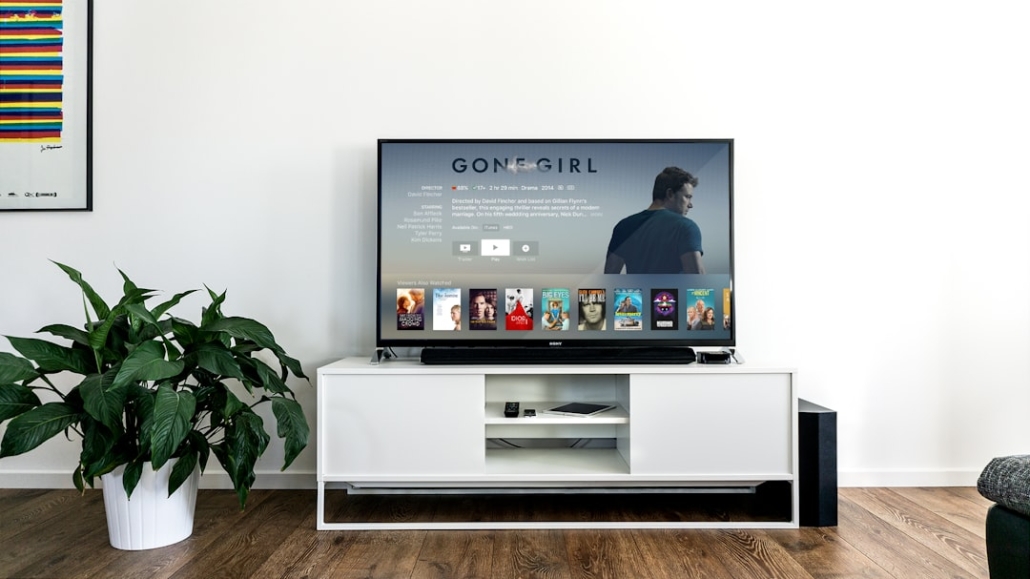
IPTV UK Guide: Exploring the Advantages of Modern TV Streaming
Television habits in the UK have changed dramatically over the past decade. Viewers no longer want to be tied to rigid schedules, limited channel packages, or a single screen in the living room. Instead, modern audiences expect flexibility, broader choice, and smooth access to live TV as well as on-demand entertainment. That shift has made IPTV an increasingly popular option. In this guide, we explore what IPTV is, why it appeals to UK households, and what advantages it offers over more traditional ways of watching television. For many viewers, the appeal comes down to control: we can watch more of what we want, when we want, and on the devices we already use every day.
What IPTV Means for UK Viewers
IPTV stands for Internet Protocol Television, which simply means television content is delivered over an internet connection rather than through traditional terrestrial, satellite, or cable formats. Instead of relying on fixed broadcast infrastructure alone, IPTV uses broadband networks to stream live channels, catch-up content, and video on demand directly to compatible devices.
For UK viewers, this model fits naturally with current digital lifestyles. Many homes already have high-speed broadband, smart TVs, streaming boxes, tablets, and smartphones. IPTV builds on that existing setup, making it easier to access entertainment without investing in bulky equipment or being locked into one viewing location. Whether someone wants to watch sport in the lounge, films in the bedroom, or news on a tablet while travelling, IPTV supports a more fluid and convenient viewing experience.
Another important benefit is variety. Traditional TV packages can feel restrictive, especially when viewers have to pay for channels they never watch. IPTV services often present broader line-ups and more tailored viewing choices, giving households greater freedom to shape their entertainment around actual interests rather than pre-built bundles.
The Key Advantages of Modern TV Streaming
The biggest strength of IPTV is flexibility. Modern streaming has transformed television from a fixed routine into a personalised service. Instead of planning the day around programming schedules, we can access live channels and on-demand libraries in a way that suits our lifestyle. That convenience matters for busy families, professionals, students, and anyone who values control over their own time.
Streaming quality has also improved significantly. With a stable internet connection, many IPTV platforms can deliver clear, reliable viewing across a wide range of content categories. Live sport, entertainment, documentaries, kids’ programming, and international channels can all be brought together in a single accessible platform. For multicultural households or viewers with interests beyond mainstream UK broadcasting, that extended reach is especially attractive.
Device compatibility adds another layer of value. Rather than depending on one television set, IPTV can often be used across multiple supported devices. That means viewers are not limited to a single room or even a single type of screen. A family can spread out, enjoy different content preferences, and reduce the friction that often comes with shared TV access.
Cost efficiency is another reason IPTV continues to gain attention. While pricing varies by provider, many consumers compare it favourably with traditional pay-TV arrangements. The combination of channel access, on-demand availability, and convenience can make IPTV feel like better value, particularly for viewers who want a broad entertainment package without unnecessary extras.
For those researching options, a reputable IPTV UK subscription may offer a streamlined path to modern streaming, combining convenience, content range, and ease of access in one service experience.
How IPTV Supports a Better Viewing Experience
Modern television is not just about having more channels. It is about making the overall experience smoother, faster, and more user-friendly. IPTV services often focus on intuitive interfaces, searchable menus, and organised categories that help viewers find content without endless scrolling. That might sound like a small feature, but in everyday use it makes a major difference.
Catch-up and on-demand functions are particularly valuable. If someone misses a live broadcast, they do not necessarily lose access to the content altogether. This is ideal for households with unpredictable schedules or viewers who prefer to binge-watch series at their own pace. Instead of being ruled by timetables, they can fit entertainment around work, family, and personal commitments.
IPTV can also support more tailored entertainment habits. Different viewers have different priorities: some want premium sport, others prefer global cinema, specialist factual programming, or children’s content. Modern streaming environments make it easier to explore those interests without the narrow limitations associated with older TV models.
In many cases, the viewing experience is also enhanced by reduced hardware dependency. A smart TV app, media device, or compatible mobile setup may be all that is needed to begin. This lighter approach appeals to users who want practical simplicity rather than a complicated installation process.
What to Consider When Choosing an IPTV Service
Not all IPTV services deliver the same experience, so choosing carefully is essential. A strong provider should balance content variety, technical reliability, and clear user support. Rather than focusing only on the number of channels advertised, it is wiser to assess overall service quality.
- Content relevance: The best package is one that matches viewing habits, including live TV, films, series, sport, and international options where needed.
- Streaming stability: Reliable playback and consistent performance are crucial for everyday satisfaction.
- Device compatibility: Viewers should check whether the service works well on smart TVs, phones, tablets, or streaming devices they already use.
- Ease of navigation: A clean, intuitive interface saves time and improves the overall experience.
- Customer support: Responsive assistance can be invaluable during setup or troubleshooting.
It is also wise to ensure any service is appropriate for the viewer’s location, internet speed, and preferred content type. In practical terms, the best IPTV choice is not always the one with the biggest marketing claims, but the one that performs consistently and fits naturally into daily viewing habits.
Broadband quality should not be overlooked either. Since IPTV depends on internet delivery, a stable connection has a direct impact on picture quality and buffering. Before committing, households should consider whether their current internet setup is strong enough to support regular streaming across one or multiple devices.
IPTV represents a clear step forward in how UK audiences consume television. It combines flexibility, broader content access, device freedom, and a more personalised user experience than many traditional TV systems can provide. As modern viewing expectations continue to evolve, IPTV stands out as a practical and attractive solution for households that want convenience without sacrificing choice. For viewers seeking a smarter way to watch live channels and on-demand content, modern TV streaming offers a compelling path into the future of home entertainment.
