AI Virtual Staging for Real Estate: Smarter Marketing, Better First Impressions
- Area
- Technology
- Filed
- Updated
- Length
- 2 min
In this page (4)
- Why staging moved onto the screen
- From raw photo to finished listing image
- Marketing benefits beyond the photos
- Keeping it honest
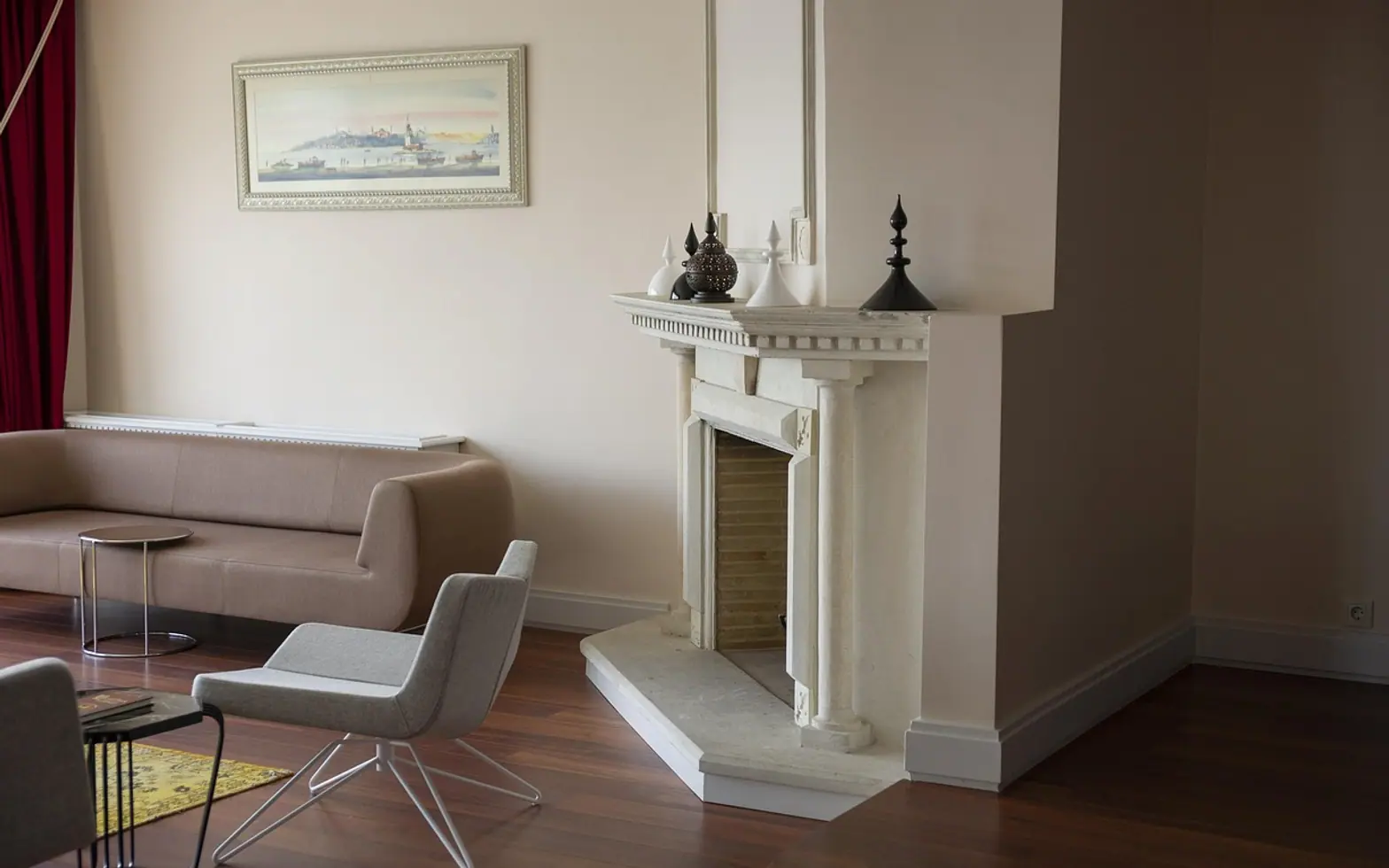
An empty room photographs badly. Without furniture, a living area loses its sense of scale, a small bedroom can look like a storage cupboard and a large open plan can feel cold rather than generous. Buyers browsing listings on a phone form opinions within seconds, so those flat images can cost a property attention it deserves. AI virtual staging addresses the problem by adding furniture and decor to listing photos digitally, giving viewers a clearer idea of how each space might be used.
Why staging moved onto the screen
Physical staging works, but it involves hiring furniture, transport, setup time and removal, which puts it out of reach for many listings. Virtual staging removes most of that overhead. An agent can furnish a vacant flat in the morning and publish the images the same day, and if the first style does not suit the likely buyers, another can be tried without moving a single chair.
That flexibility is particularly helpful for agencies handling varied stock: a compact city apartment might suit a minimal, practical look, while a family house in the suburbs benefits from a dining table, a children's room and a home office corner.
From raw photo to finished listing image
The quality of the result depends on the quality of the input. A sensible workflow looks like this:
- Photograph rooms with good natural light, level verticals and the whole floor visible.
- Choose a style that matches the property's price point and probable buyer.
- Generate several options per room and discard any with odd proportions or floating objects.
- Check that windows, doors and fixed features remain exactly as they are in reality.
- Prepare final files that suit each platform where the listing will appear.
Better tools handle lighting and shadows convincingly, and their finished images are exported in high resolution for use in MLS listings, brochures and social posts, so a single staging session can feed every marketing channel.
Marketing benefits beyond the photos
Staged images give agents more to work with. A furnished floor plan helps explain room flow; a before-and-after pair can show the potential of a tired space; a set of styled photos makes social media posts feel more like interiors content than a sales notice. Sellers often appreciate seeing their property presented with care, which can make the listing conversation easier.
Virtual staging also suits renovations and new builds, where rooms may be finished but not yet furnished, and investors who want to show rental potential without fitting out a unit first.
Keeping it honest
Credibility is the limit that matters most. Staging should add movable items, not hide damp patches, paint over cracks or change the view from a window. Many markets and listing platforms expect virtually staged photos to be labelled, and including at least one unstaged image of each key room helps buyers arrive at a viewing with accurate expectations. Rules on disclosure vary, so agents should follow their local board and portal guidelines.
Done this way, AI staging becomes a presentation tool rather than a trick. Buyers get a better sense of how they might live in a space, and properties that would otherwise be scrolled past get a fair chance to be noticed.