Custom Pallets: When and Why You Should Invest in Tailored Solutions for Your Shipping Needs
- Area
- Business
- Filed
- Length
- 2 min
In this page (4)
- Standard pallets still cover most needs
- Signs that a custom pallet makes sense
- Benefits beyond a better fit
- Working with a pallet supplier
Pallets are so common in logistics that they are easy to take for granted. Most shipments travel perfectly well on standard sizes, which are cheap, widely available and compatible with racking, forklifts and trucks everywhere. Yet some loads do not fit the standard mould, and forcing them onto a generic pallet can lead to damage, wasted space or safety risks. Knowing where that line lies helps a business decide when a custom design is worth the investment.
Standard pallets still cover most needs
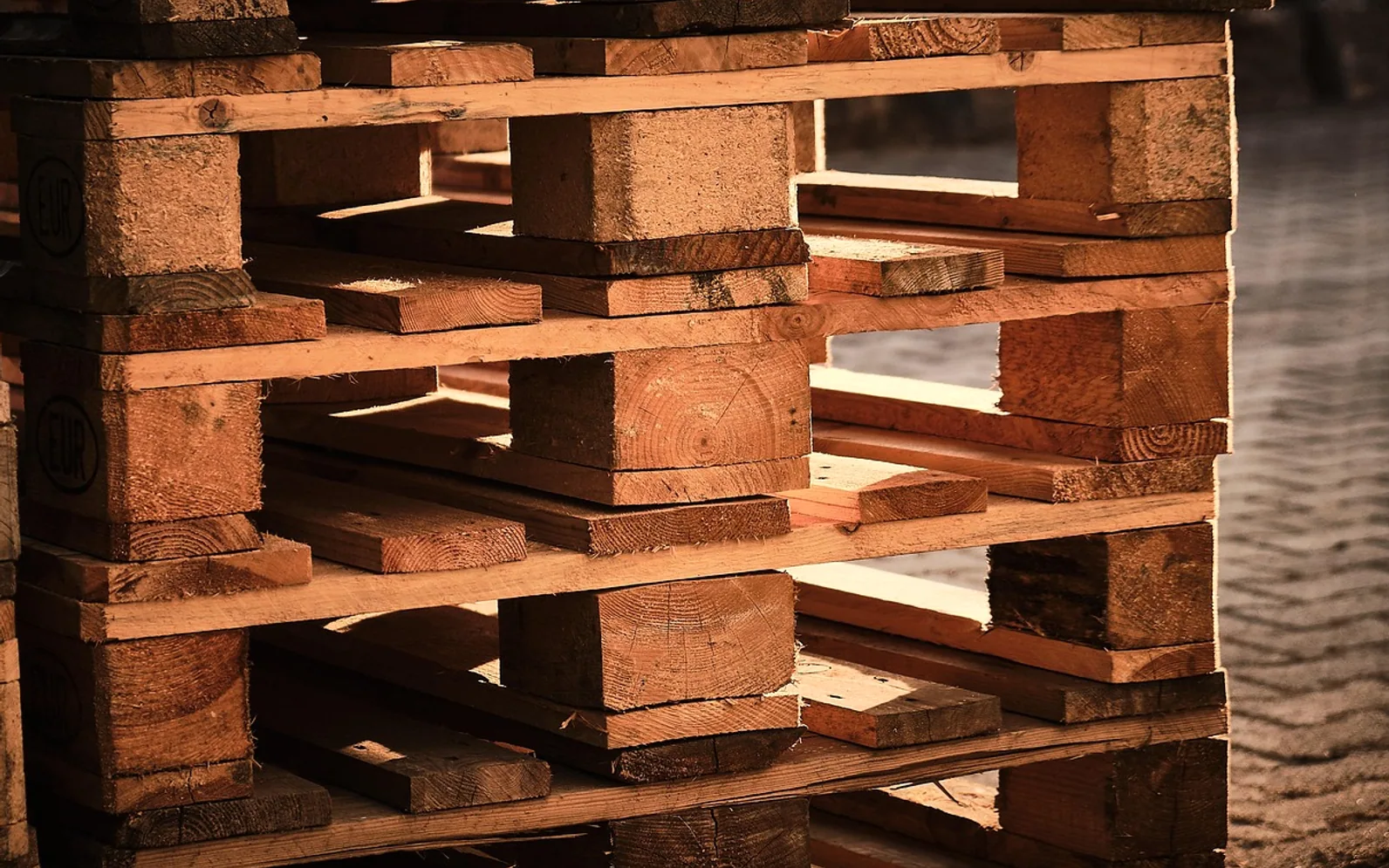
For boxed goods, cartons of consistent size and typical retail freight, standard pallets remain the sensible default. Suppliers of new and used wood pallets offer an affordable, practical base for most shipments, with used pallets in particular giving businesses a cost-effective option that also extends the life of existing timber. Starting from the standard and moving to custom only when there is a clear reason keeps packaging costs under control.
Signs that a custom pallet makes sense
| Situation | Why custom helps |
|---|---|
| Irregular or oversized items | A deck sized to the product prevents overhang and shifting |
| Very heavy machinery or materials | Extra stringers, thicker boards or hardwood add load capacity |
| Fragile goods such as glass or electronics | Built-in blocking, padding or cradles reduce vibration and impact |
| Automated warehouses | Precise dimensions and consistent build suit conveyors and robotic handling |
| High-value cargo | Reinforced designs and secure fixing points help goods arrive intact |
Benefits beyond a better fit
A pallet designed around the product can improve container and trailer utilisation, allowing more units per shipment and fewer trips. It can reduce the amount of extra packaging needed, since the pallet itself holds the load securely. Damage claims, returns and the time spent dealing with them often fall when goods stop moving around in transit. Handling also becomes safer, because loads are stable and predictable for forklift operators and warehouse staff.
Custom pallets can be built in wood, plastic or metal. Wood is versatile and repairable, plastic suits hygienic or closed-loop systems, and metal serves very heavy or specialised uses.
Working with a pallet supplier
- Share product dimensions, weight, centre of gravity and how the load will be handled.
- Explain the full route: warehouse, truck, container, port and final destination.
- Ask for a prototype or drawing and test it with real goods before ordering in volume.
- Check export requirements; wooden packaging crossing many borders must be heat-treated and marked under the ISPM 15 standard.
- Plan for reuse, repair or recycling so the pallets have a sensible life after delivery.
The decision ultimately comes down to total cost rather than the price of the pallet alone. When damage, wasted space or handling problems are costing more than a tailored design would, a custom pallet is usually a sound investment. When standard pallets do the job, they remain the simplest choice.