Comparing IPTV vs Satellite TV for Spanish Viewers
- Area
- Technology
- Filed
- Updated
- Length
- 2 min
In this page (5)
- Two ways of getting the signal
- Side by side
- Channels that matter to Spanish audiences
- Reliability and picture quality
- Making the decision
For decades, a satellite dish on the balcony was the standard way for Spanish households, and Spaniards living abroad, to receive a wide choice of channels. Internet protocol television now offers another route, carrying comparable programming through a home internet connection. Neither option is automatically better. The right choice depends on where the viewer lives, how good the internet connection is and what they actually want to watch.
Two ways of getting the signal
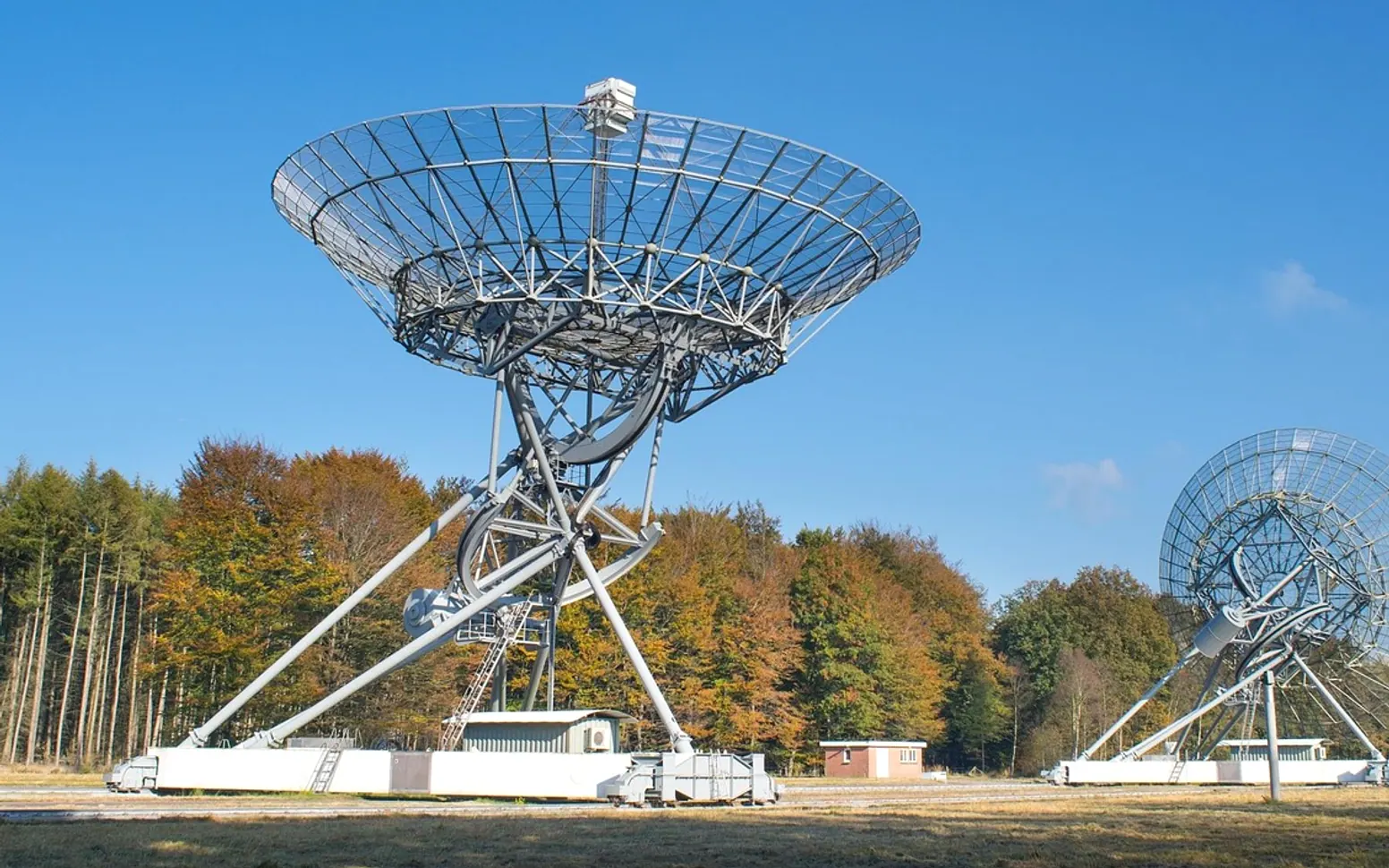
Satellite television beams signals from orbit to a dish aimed at a specific satellite position. A receiver decodes the signal and sends it to the television. Once installed, the system does not depend on a home internet connection at all.
IPTV delivers channels as data over the internet to an app or set-top box. It needs a reasonably fast and stable connection, but no dish, and it can usually run on several devices.
Side by side
| Factor | Satellite | IPTV |
|---|---|---|
| Installation | Dish, cabling and alignment; sometimes community or landlord approval | App or small box; no outdoor equipment |
| Upfront cost | Hardware and installation can add up | Usually low if broadband is already in place |
| Dependence on internet | None for live channels | Complete; quality follows connection speed |
| Weather sensitivity | Heavy rain or snow can interrupt reception | Unaffected by weather, but affected by network congestion |
| Devices | Mainly televisions connected to the receiver | Smart TVs, phones, tablets and computers |
| Catch-up and on demand | Limited or reliant on recording equipment | Often built in |
Channels that matter to Spanish audiences
Most viewers want the main national channels, such as La 1 from RTVE, Antena 3 and Telecinco, along with sport and news. Regional broadcasters are another priority for many households: TV3 in Catalonia, Canal Sur in Andalusia or the Basque and Galician public channels. For Spaniards living abroad, access to these regional channels can be harder via satellite, depending on the satellite footprint and the encryption used, while internet-based services from licensed distributors and broadcasters' own apps may offer more options. Rights for sport and films vary by country, so availability outside Spain should always be checked channel by channel.
Reliability and picture quality
Satellite is predictable when installed well: if the dish is correctly aligned and the weather is calm, the picture is consistent. IPTV can match or exceed that quality on a good fibre connection, and it adjusts automatically when bandwidth dips. On a weak or shared connection, however, buffering during big live events can be frustrating. Rural households with slow broadband often find satellite the more dependable choice, while city flats with fibre may prefer the convenience of streaming.
Making the decision
Start with an honest look at the internet connection at the busiest time of the evening. List the channels the household watches most, including regional ones. Consider whether viewing on phones and tablets matters, and whether a dish is even allowed on the building. Whichever route you choose, go with a provider holding the distribution rights for those channels in your country; legitimate services are more reliable and support the broadcasters who produce Spanish programming. Some households end up combining both: satellite or terrestrial for core live channels and an app for catch-up and viewing on the move.