How Digital Payment Platforms Are Supporting India’s Entrepreneurial Success
India’s entrepreneurial landscape has changed dramatically over the past decade, and digital payment platforms have been one of the biggest drivers of that transformation. From small kirana stores and home-based sellers to fast-growing startups and service providers, businesses now have access to tools that make receiving, sending, and managing money faster and easier than ever before. As commerce becomes more mobile, more connected, and more competitive, digital payments are helping entrepreneurs remove friction from daily transactions and focus on growth. In practical terms, these platforms are not just improving convenience; they are strengthening cash flow, expanding market reach, building customer trust, and creating a more formal and scalable business environment.
The Shift from Cash to Connected Commerce
For many Indian entrepreneurs, traditional cash-based operations once created avoidable limitations. Cash handling involved delays, manual accounting, security concerns, and difficulty in serving customers who preferred non-cash options. Digital payment platforms have changed this by making transactions immediate, traceable, and widely accessible across urban and rural markets.
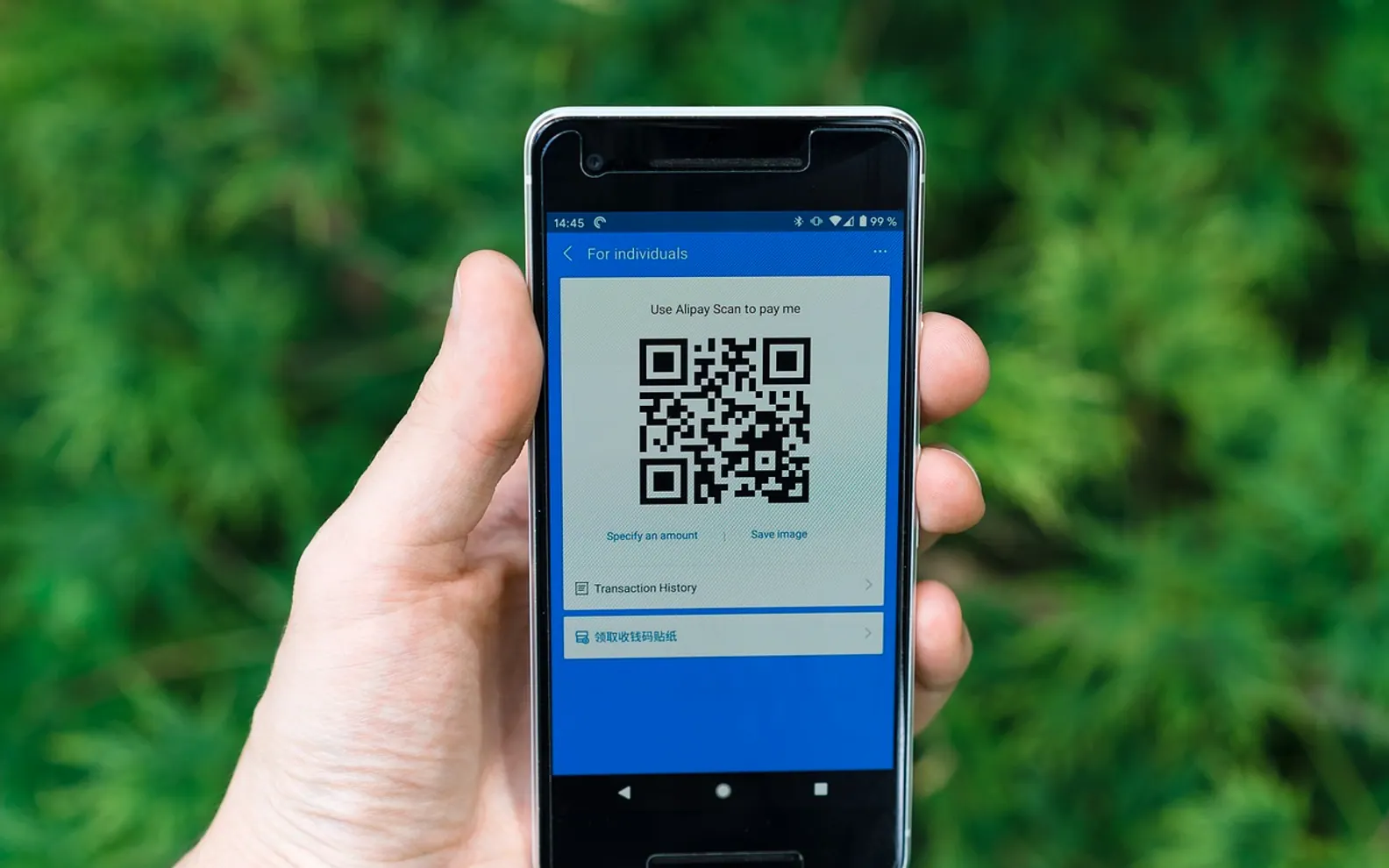
Today, a small merchant can accept payments through QR codes, mobile wallets, cards, net banking, and UPI-enabled apps without investing heavily in infrastructure. This is especially important in a market as diverse as India, where customer payment preferences can vary widely by age, location, and income level. By offering multiple payment options, entrepreneurs can reduce drop-offs at the point of sale and improve the overall purchase experience.
The rise of UPI has been especially influential because it combines speed, low transaction friction, and mass adoption. It has allowed even micro-businesses to participate in digital commerce with minimal setup. Entrepreneurs exploring this ecosystem often study resources related to 印度upi to understand how deeply embedded instant payments have become in India’s commercial and consumer behavior.
This shift matters because connected commerce is not limited to online stores. Street vendors, independent consultants, tuition teachers, beauty professionals, food sellers, and repair service providers are all using digital payments to serve customers in real time. The barrier to entry has fallen, which supports broader participation in entrepreneurship.
Faster Cash Flow and Better Financial Control
One of the most important ways digital payment platforms support entrepreneurial success is by improving cash flow. Small businesses often operate on thin margins, so delayed payments can disrupt inventory purchases, salary payments, and routine operations. Digital systems reduce those delays by enabling near-instant settlement or predictable processing timelines.
When money arrives faster, entrepreneurs can plan with greater confidence. They can restock products more quickly, respond to spikes in demand, and avoid overdependence on informal borrowing. In sectors where daily liquidity matters, such as food retail, logistics, freelance services, and local manufacturing, this speed can directly influence survival and growth.
Digital platforms also improve record-keeping. Instead of maintaining fragmented handwritten logs, business owners can view transaction histories, payment confirmations, refund records, and customer receipts in one place. This creates stronger financial discipline and reduces errors. Over time, the visibility provided by payment dashboards helps entrepreneurs understand peak sales periods, customer purchase patterns, and settlement cycles.
That level of financial control supports smarter decision-making. Entrepreneurs can identify which channels generate the most revenue, compare online and offline sales performance, and monitor recurring payments or outstanding invoices. For growing businesses, this data-driven approach is far more sustainable than managing finance through memory or manual reconciliation alone.
Building Trust, Convenience, and Customer Loyalty
Trust is a major factor in entrepreneurial success, especially in competitive markets. Digital payment platforms help businesses appear more reliable, more organized, and more customer-friendly. When customers can pay instantly and receive confirmation right away, the transaction feels transparent and professional.
This is particularly valuable for first-time buyers, social commerce customers, and online shoppers who may hesitate to transfer money without proof. Secure payment gateways, payment links, and automated notifications reduce uncertainty on both sides. Customers gain confidence that their money has been received properly, while entrepreneurs gain confidence that they will not have to chase payments repeatedly.
Convenience also plays a central role. A customer who can complete a purchase in seconds is more likely to convert than one who must search for cash or delay payment. This matters for restaurants, appointment-based services, direct-to-consumer brands, and independent sellers using messaging platforms or marketplaces. The easier the payment experience, the lower the risk of abandoned purchases.
Digital payments can also strengthen loyalty. Many platforms integrate with rewards, offers, subscriptions, and recurring billing models. This allows entrepreneurs to create smoother repeat-purchase journeys, whether they run a fitness studio, a home bakery, a software service, or a local delivery business. In a crowded market, convenience becomes a competitive advantage.
- Faster checkout improves conversion rates.
- Clear payment records reduce disputes and confusion.
- Flexible options accommodate different customer preferences.
- Integrated experiences encourage repeat business.
Enabling Formalisation, Credit Access, and Scalable Growth
Beyond daily transactions, digital payment platforms help entrepreneurs build more formal businesses. Every digital payment creates a traceable financial footprint, which can support compliance, tax reporting, and business credibility. For many small enterprises, this shift from informal cash activity to visible transaction history is a major step toward long-term sustainability.
A documented payment trail can also improve access to financial products. Lenders and fintech providers increasingly evaluate cash flow data, transaction volume, and business consistency when assessing eligibility for loans or credit lines. Entrepreneurs with reliable digital records may find it easier to secure working capital than those operating entirely in cash.
This is especially meaningful in India, where millions of micro and small businesses need capital to expand but often lack traditional collateral or formal credit histories. Payment data can function as a practical signal of business health. In effect, digital platforms are not just payment tools; they are gateways to broader financial inclusion.
Scalability is another major advantage. As businesses grow, they need systems that can support higher transaction volumes, multiple sales channels, vendor payouts, customer refunds, and recurring collections. Digital payment infrastructure makes that possible without forcing entrepreneurs to rebuild their processes from scratch. A business can begin with a simple QR code and later adopt invoicing tools, checkout integrations, payment links, subscription billing, and analytics as it expands.
That flexibility is critical in a fast-moving economy. Entrepreneurs succeed when they can adapt quickly, and digital payment platforms give them the operational backbone to do exactly that.
India’s entrepreneurial success story is increasingly tied to the growth of digital payment ecosystems. These platforms reduce friction, improve speed, strengthen trust, and create financial visibility that helps businesses move from survival to scale. For entrepreneurs at every stage, from solo founders to expanding small enterprises, digital payments have become more than a convenience. They are now a strategic enabler of resilience, competitiveness, and sustainable growth in one of the world’s most dynamic business environments.


